
JAN ‘N JUNEabout this product:
GOING CASUAL
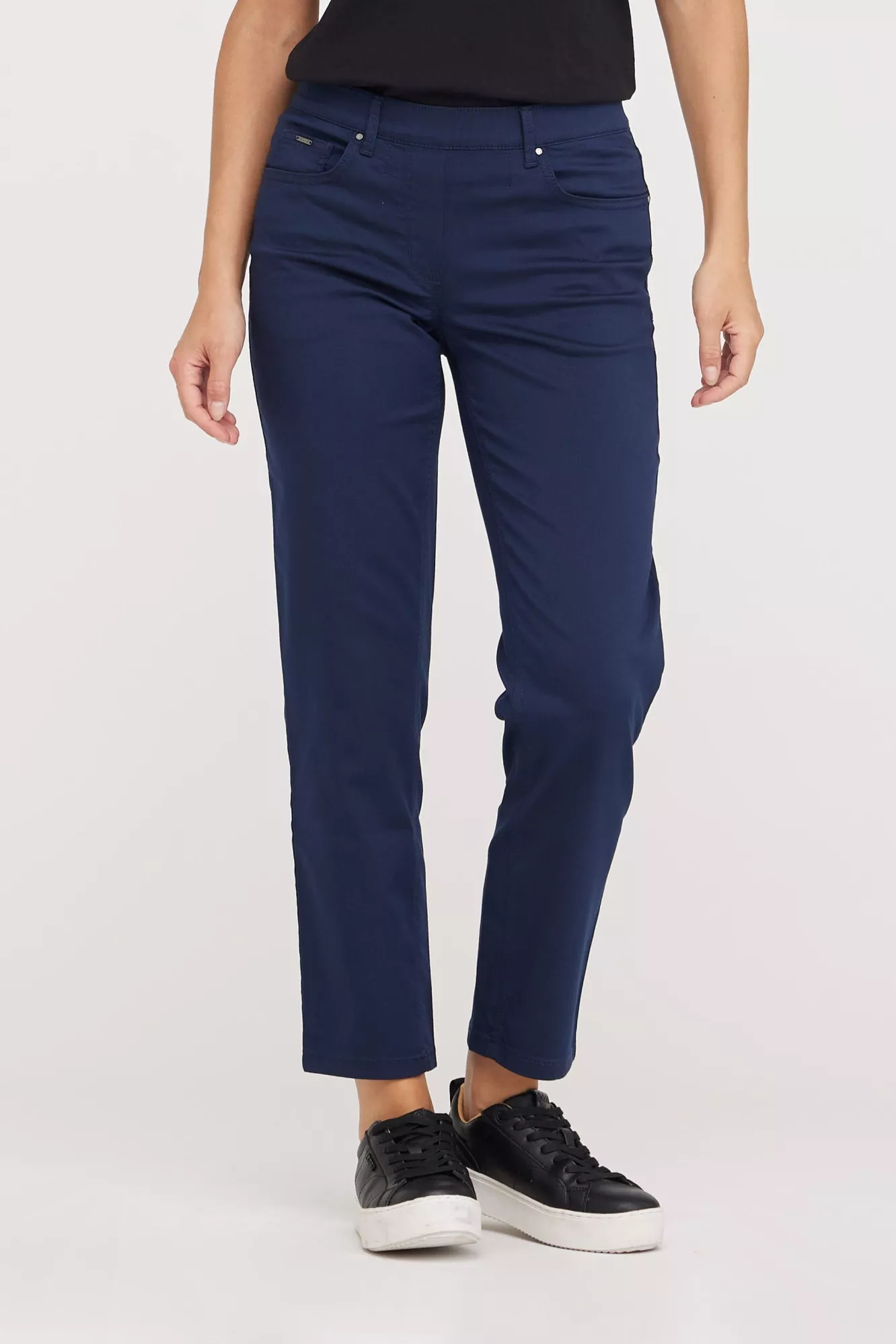
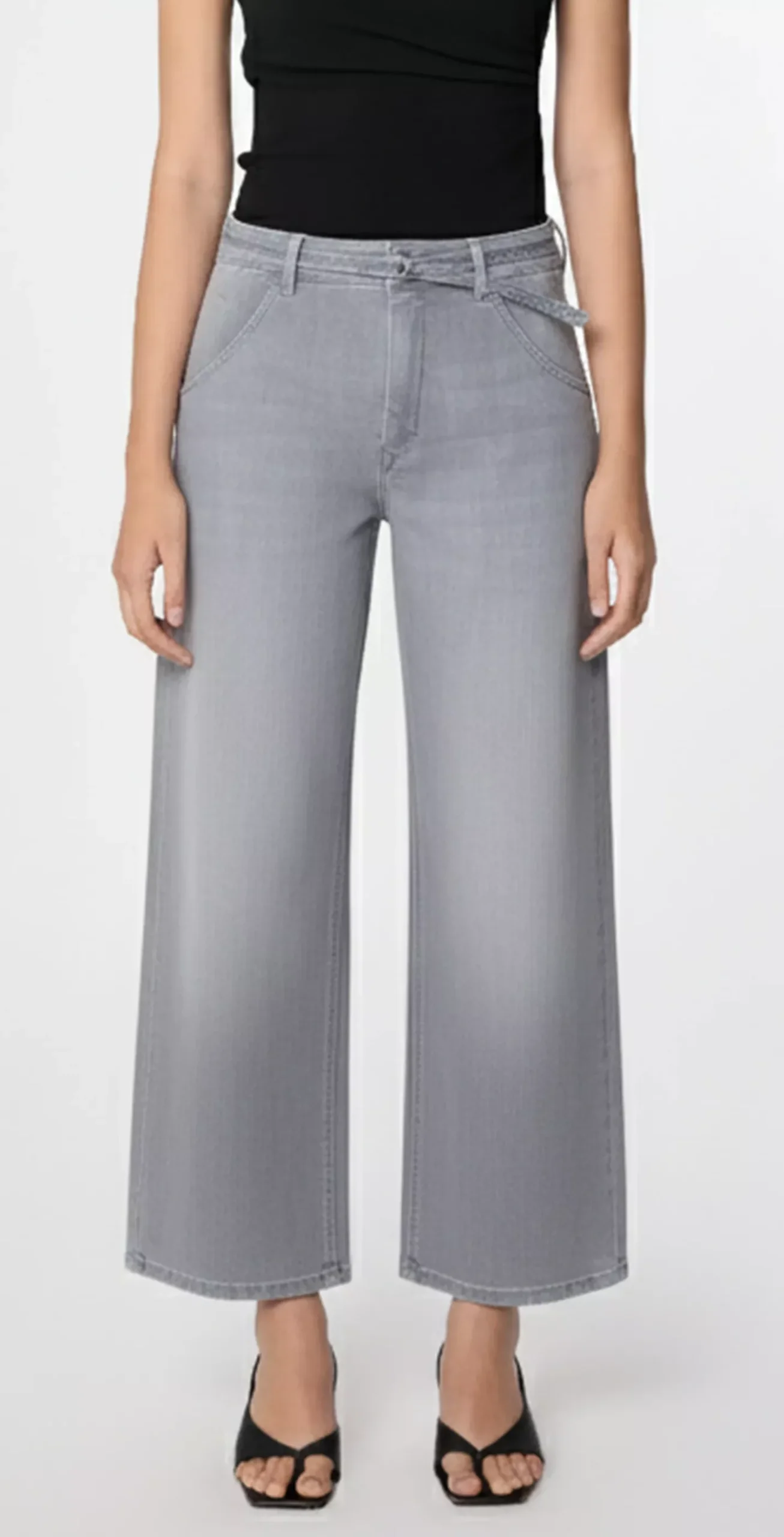
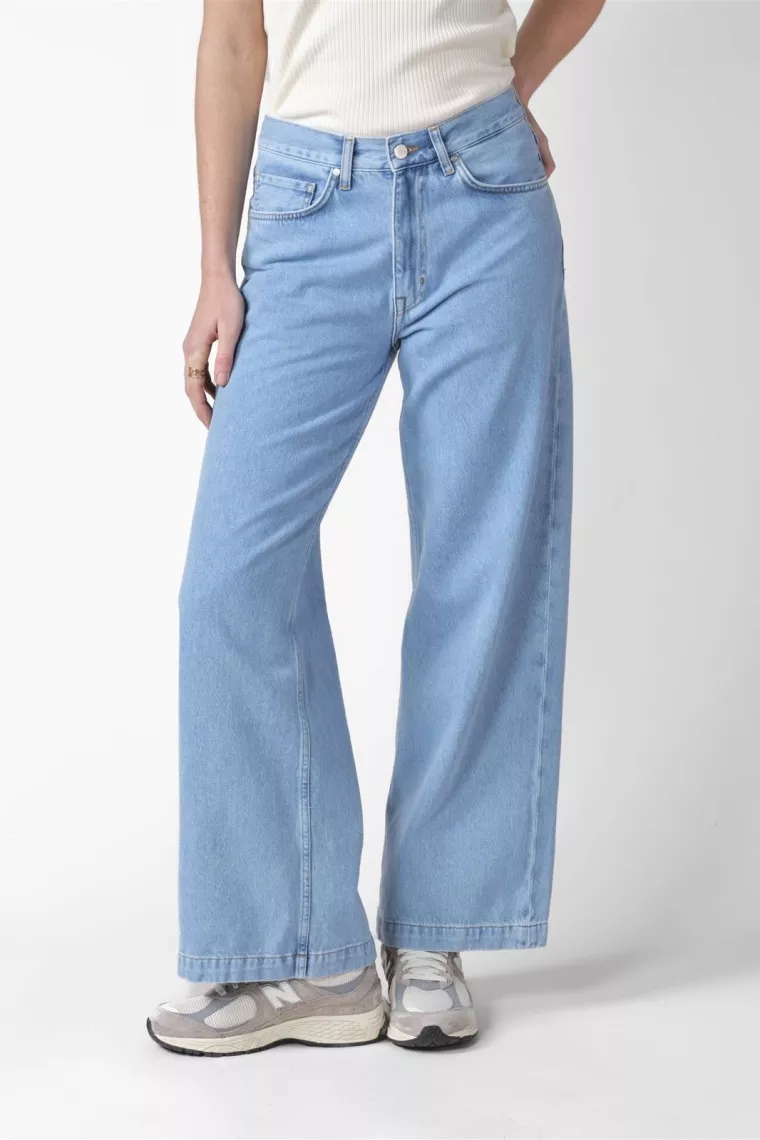
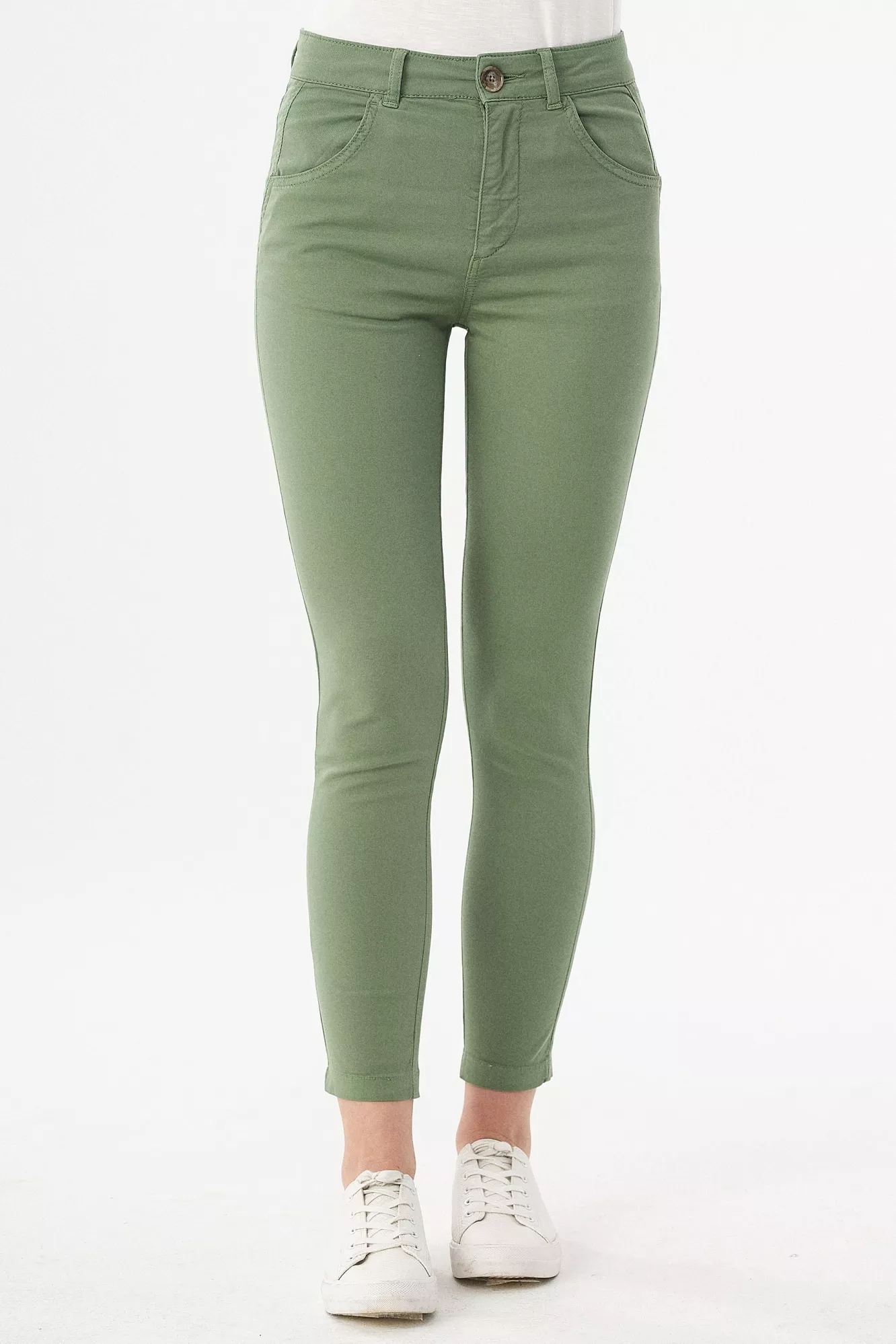
Need simple pants you can just combine to everything? Go casual, go with ADORO. The pants have a very simple, straight cut, an elastic waistband and a zipper on the side. Polyester, EcoVero and elastane make the perfect combo for it to be comfy, stretchy and breathable.
- 68% recycled polyester/ // 29% EcoVero™ // 3% elastane
At JAN ‘N JUNE, only recycled polyester is used. Old PET bottles and other industrial waste are recycled for this purpose. By shredding and melting the waste, new filaments can be produced. Thus resources can be saved and the PET waste is reused instead of ending up in landfills or in the sea. Recycled polyester is just as high quality as newly produced polyester, but less energy is required in the production process.
Fit
Our model Amelie is 1,73m tall and wears size S.
| ADORO | ||||
|---|---|---|---|---|
|
waist width |
waist width |
hip width | outer leg length | |
| All information given in cm. | ||||
| XS | 36,5 | 32 | 47,5 | 94 |
| S | 38,5 | 34 | 49,5 | 95 |
| M | 40,5 | 36 | 51,5 | 96 |
| L | 42,5 | 38 | 53,5 | 97 |
| XL | 44,5 | 40 | 55,5 | 98 |
| Little reminder: Your size doesn’t define you, dear. | ||||
|
ECO ID ADORO |
|
|
1. design Our founders Anna and Jula still do all of the design work themselves. They are mastering that challenge, despite living in two different countries. Luckily they’re pros at long-distance teamwork. So the design process is split between Hamburg and Dubai. |
2. raw materialThis is a deadstock woven fabric made from 100% recycled polyester. Most often recycled polyester is made out of industrial waste or post-consumer plastics like PET bottles. The products had been grinded, melted and afterwards extruded into new fibers. The recycled fibers are made in Gujarat, India. The austrian fiber supplier Lenzing AG has a sustainable take on viscose, based on renewable wood from certified sources. The EcoVero™ for this piece of clothing was produced in Austria. |
|
3. yarn production No matter which fibers we are talking about, they have to be spun into a yarn for further production steps. The yarn production takes place inFamalicão, Portugal. |
4. fabric production The next step of our Supply Chain is to weave the yarn into a fabric. The fabric production is located in Famalicão, Portugal. |
|
5. manufacturing That’s where all the magic happens!Our manufacturers receive the patterns, fabrics, and other components like buttons or zippers and make them into a garment. This piece is made in Wroclaw, Poland. |
6. distribution As some of you may remember, we used to do the shipping and warehouse management in our Headquarter in Hamburg by ourselves – yes, that was a lot of work! Since 2020 we are working with our amazing logistics partner Livipur, which is located in Bad Homburg, Germany. |